

In recent times, agents from the national agency for Indigenous peoples trekked over a vast distance through lush Amazon jungle on the southern edge of the Amazon region. Their task was to monitor and aid in safeguarding an tribe with no sustained communication with the outside world.
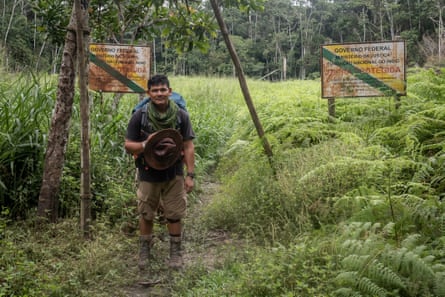
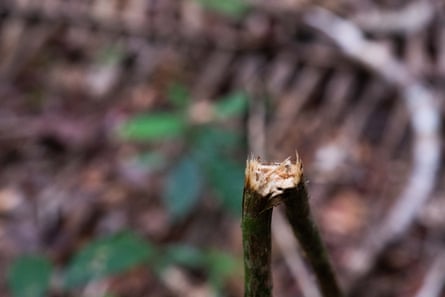
Their observations included a freshly woven container made from forest foliage, a child’s footprints by a stream, and tree trunks freshly cut to extract honey. They also found old huts slowly decaying and shells from gathered nuts near extinct campfires. These were all undeniable evidence that the Kawahiva people continued to inhabit the region.
Government Inaction Block Legal Safeguards
Despite a judicial directive calling for a safeguarding strategy for the uncontacted people, the Brazilian government has not followed through. The court-ordered plan included speeding up the boundary setting of their land and detailing deforestation reduction strategies.
Administrative holdups, funding shortages, and hostile clashes—involving aggressions by figures associated with the logging industry—have stalled the demarcation effort.
Without established perimeters, deforestation agents continue to encroach, leaving the Kawahiva in imminent danger of cultural eradication. Advocates label the stalling a willful and dangerous breach of the Brazilian law.
“The inaction in territorial recognition is not only unlawful, it is also extremely dangerous.”
Encroaching Deforestation
The intended one-million-acre reserve remains without full protection, as stipulated by law. It is considered the largest unprotected forest in Brazil that is the domain of uncontacted Indigenous people.
Just outside the reserve's boundaries, the view changes dramatically. The forest has been burned for pastureland. Property markers are installed, and access routes are extending deeper into the pristine forest.
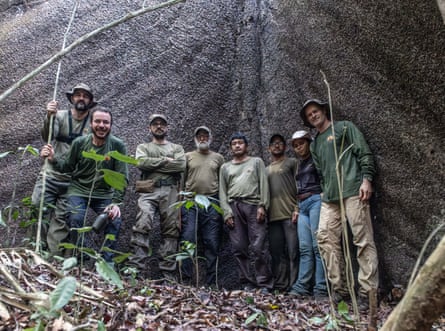
Following the expedition, a agency head for Indigenous affairs promised to finalize the demarcation. “We are employing all possible efforts to ensure that the Kawahiva land gets official status,” the official stated.
Money Problems and Growing Threats
Physical demarcation of the 200-mile perimeter involves installing boundary posts. This is seen as a key measure to demonstrate to encroachers that the authorities are committed about protection. However, the demarcation is delayed.
Funding has been a key challenge. Initial plans to use compensation funds from a highway project fell through. The agency has since turned to new partners.
It has now engaged a technical academic body. “This is a collaborative effort that we’ve previously implemented,” explained an official. “The on-ground work is planned to begin in early 2026.”
The institute stated that discussions were in late stages but did not provide a timeline.
Complicating everything is what officials term a “volatile condition in the region,” which is expected to require an law enforcement escort during any field operations.
Hostile Actors
The potential for conflict is real. In previous years, an hostile mob attacked a government base in the territory, resulting in a gun battle where one attacker was killed. Years later, national force officers were stationed in the area.
In recent months, an audio recording surfaced in which a man, claiming to be a local leader, verbally attacked the lead field agent. The individual, linked to local loggers, boasted to have conducted an expedition “searching for those isolated Indians.”
He is allegedly charged with several offenses, including charges related to the armed attack on the agent. “Activities are blocked because of this guy,” the man said in the recording.
A Closing Window
Anthropologists and observers point out that it has been over two decades since the existence of the isolated group was documented. “In all these years, illegal settlers have consistently challenged the territorial status in court,” noted one expert.
They raise a worrying prospect: that the ongoing stalling is a politically motivated barrier rather than a bureaucratic one. This leads to concern that protection may not happen even in the next administration.
The upcoming elections adds urgency. Many believe that the next two years represents the last chance for this land protection initiative to be completed, before a potential change in government could halt all Indigenous land demarcation, as was the case previously.
The supreme court directive was the result of a case filed by a national Indigenous organization. The court highlighted the “danger of eradication, starvation, and cultural loss” facing the community.
A lawyer involved described the process as “stalled,” with the court waiting for action. The dangers of stalling are stark. “Moreover, it is extremely dangerous and endangers the lives of the vulnerable tribe,” warned a representative from an rights organization.


